


Eight glasses of water a day is familiar advice. For older adults, it is also surprisingly close to one major professional recommendation, although the science is more nuanced than a fixed number of glasses suggests. The European Society for Clinical Nutrition and Metabolism (ESPEN) recommends that older women generally be offered at least 1.6 liters […]
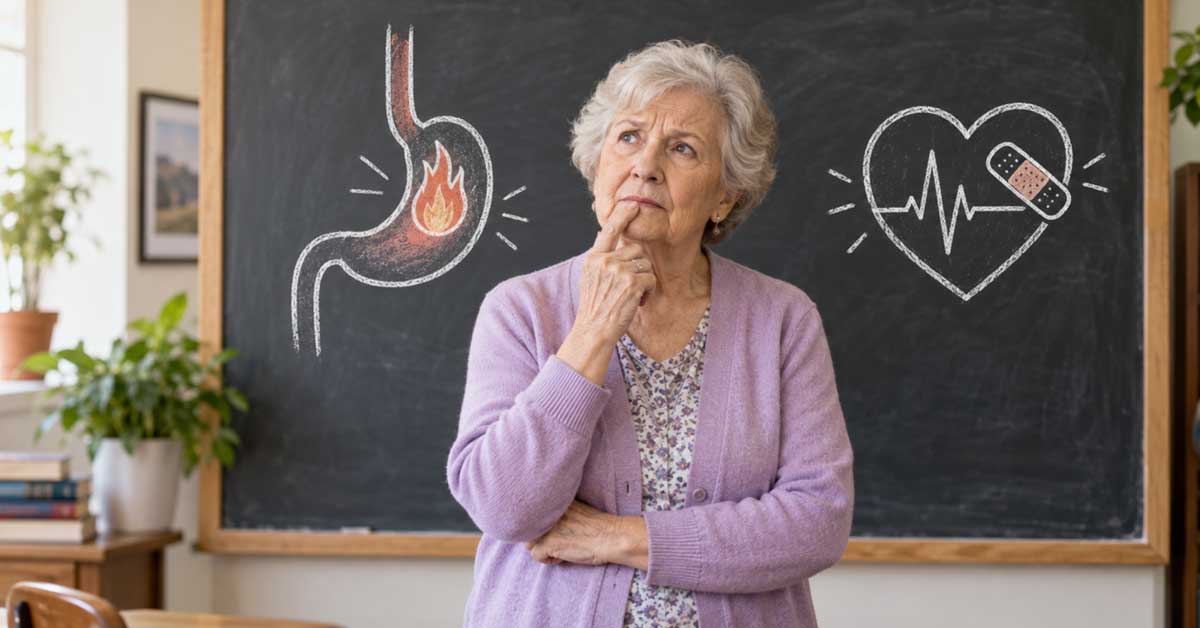
Indigestion is common. Heart attacks are common, too. Unfortunately, the sensations can sometimes be similar, particularly for older adults. That makes one distinction especially important: when new or unexplained symptoms could be coming from the heart, time matters. Waiting to see whether the discomfort goes away can delay treatment during a heart attack. The American […]

As adults grow older, maintaining independence and remaining in a familiar home environment can become increasingly important. The National Institute on Aging (NIA) reports that many older adults prefer to remain in their homes as they age, a process commonly referred to as “aging in place.” At the same time, changes in mobility, safety, and […]

Physical activity is widely recognized as an important component of overall health and well-being. Current federal guidance continues to examine the relationship between physical activity, sedentary behavior, and health outcomes across different age groups. The current Physical Activity Guidelines for Americans, developed by the U.S. Department of Health and Human Services, state that adults can […]

For many older adults and individuals with disabilities, remaining at home is an important part of maintaining independence and quality of life. Rather than moving into a nursing home or assisted living facility, many people choose to receive support in their own homes whenever possible. Personal care services help make this possible by assisting with everyday activities while allowing individuals to remain in familiar surroundings. As the need for long-term care continues to grow, personal care has become an increasingly […]

People who regularly stay up late may face a greater risk of certain health concerns, even when they get the same number of hours of sleep as people who wake up earlier. A study involving more than 1,600 adults between the ages of 47 and 59 examined the possible connection between sleep patterns and overall […]

Our bodies need some fat to function properly. Fat provides energy, helps the body absorb important vitamins, supports healthy growth, and plays a role in overall wellness. Fat comes from many foods, including dairy products, meats, nuts, seeds, oils, fried foods, baked goods, and many packaged foods. A completely fat-free diet is not healthy. However, […]

Taking a midday nap may do more than help you feel refreshed. Research presented at the European Society of Cardiology Congress found that people being treated for high blood pressure who took a nap during the day tended to have lower blood pressure than those who did not nap. The study followed 386 adults with […]

Whether you are sitting at a desk, standing in line, driving, or walking through your day, your posture affects more than how you look. Healthy posture helps keep the spine properly aligned, reduces unnecessary strain on muscles and joints, and may even support easier breathing and a more positive mood. Poor posture, by contrast, can […]
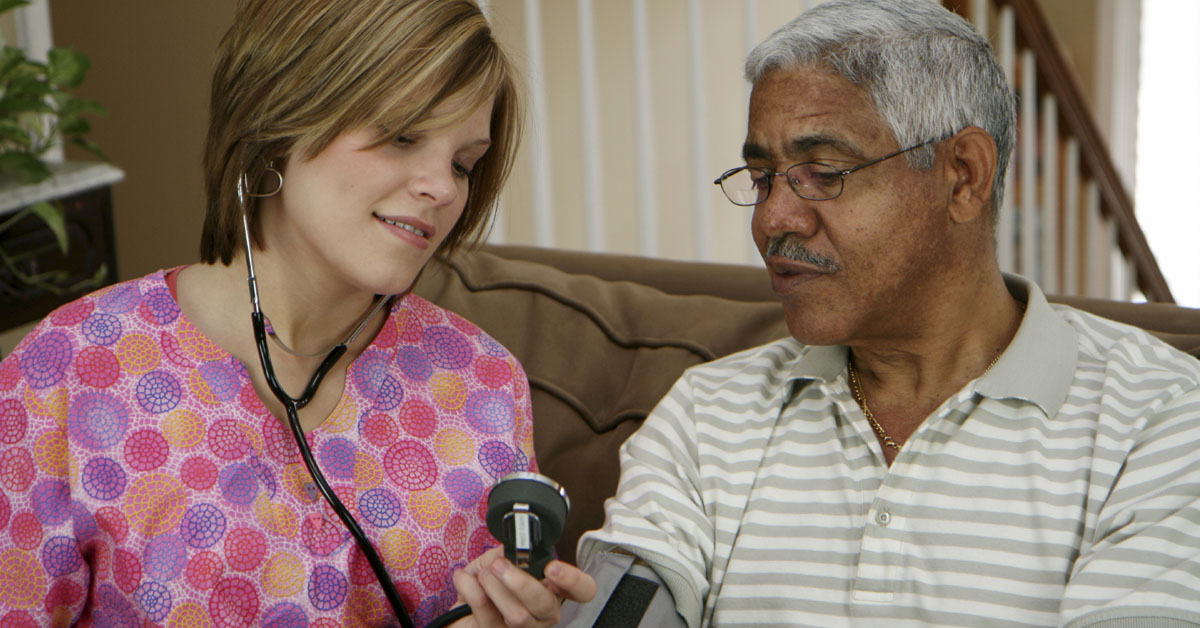
High blood pressure is far more common than many people realize. In fact, nearly half of adults in the United States have hypertension, yet only about one in four have it under control. The encouraging news is that with proper treatment and consistent management, outcomes can improve significantly. Clinical research continues to show that effectively […]
